Locate the line
Confirm the building drain or lateral route, depth, direction of flow, and existing access.
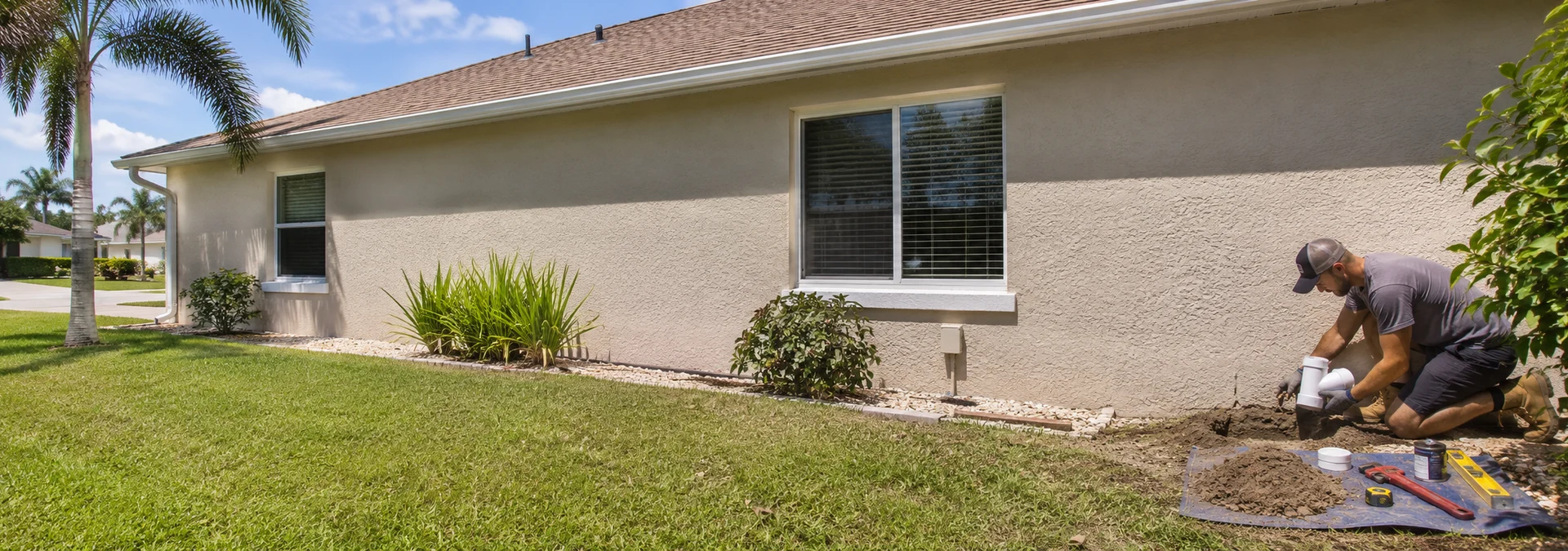
A cleanout gives equipment a practical way into the main line. Adding or improving access can make future camera work, clearing, and maintenance more efficient.
Ask the installer to confirm the existing route rather than choose a convenient patch of lawn. A useful location also considers pavers, planting beds, irrigation and access after the yard is restored.
The estimate should specify the fitting, depth, finish elevation and any permit or inspection handling. Keep the location with the property records so it remains findable after landscaping changes.
An accessible cleanout provides an entry point for suitable cleaning and camera equipment. Its location should follow the actual pipe route and local requirements, with enough working room for service.
A sewer cleanout is a capped access point connected to the building drain or lateral. Properly located access allows cameras, cables, jetting hoses, and locating equipment to enter the line more directly. That can reduce the need to remove fixtures or work through less suitable openings.
A cleanout must connect to the correct pipe, face the useful direction, remain accessible, and be protected from damage. Location depends on the building layout, sewer route, depth, existing access, property use, and applicable plumbing requirements.
Confirm the building drain or lateral route, depth, direction of flow, and existing access.
Select a reachable area that supports useful equipment entry and protects the cleanout.
Expose the pipe, make the approved connection, add the riser and cap, and maintain proper flow.
Backfill, finish the surrounding area, and record the cleanout location for future service.
The main lateral cannot be reached safely or efficiently with service equipment. The service should match a confirmed condition rather than a symptom alone. Cleanout placement should follow the building drain route and leave enough room for future camera or clearing equipment.
A known root or buildup problem requires periodic inspection or clearing. The service should match a confirmed condition rather than a symptom alone. Review what the inspection shows about the surrounding pipe before deciding how much work is appropriate.
The line is already exposed and access can be improved as part of the scope. These conditions can extend beyond a single repair point, so the full accessible route should be reviewed. Compare replacement methods against pipe condition, connections, access, and restoration.
The best location depends on the sewer route, building layout, depth, direction of service, accessibility, and local plumbing requirements. It should be easy to find and use.
No. It provides access for diagnosis and service but does not remove the cause of a blockage or repair damaged pipe.
Removing a toilet adds labor and can limit equipment direction or size. A properly placed cleanout generally provides more direct, repeatable access to the main line.
It should be secure and appropriate for the fitting while remaining serviceable. A damaged, loose, or missing cap should be replaced.
See the line from the inside and pinpoint roots, cracks, offsets, and sewer blockages.
Explore →SERVICEHelp for clogged drains, slow fixtures, and recurring main sewer line blockages.
Explore →SERVICEInspection and cleaning plans for lines with recurring trouble or known risk factors.
Explore →A cleanout location needs to provide useful access to the right line. Locating the lateral and reviewing pipe depth, existing fittings, and nearby utilities comes before choosing where to dig.
Depth, pipe material, required fittings, surface access, and restoration affect the estimate. Ask how the new cleanout will be protected and remain accessible after the site is finished.
Sewer repair cost factors · Find your Fort Myers wastewater utility
Estimate requests are disabled in this private preview. See the estimate form.