Review the symptoms
Note sewer backups, recurring clogs, sewer gas smells, damp ground, settlement, and which fixtures are affected.
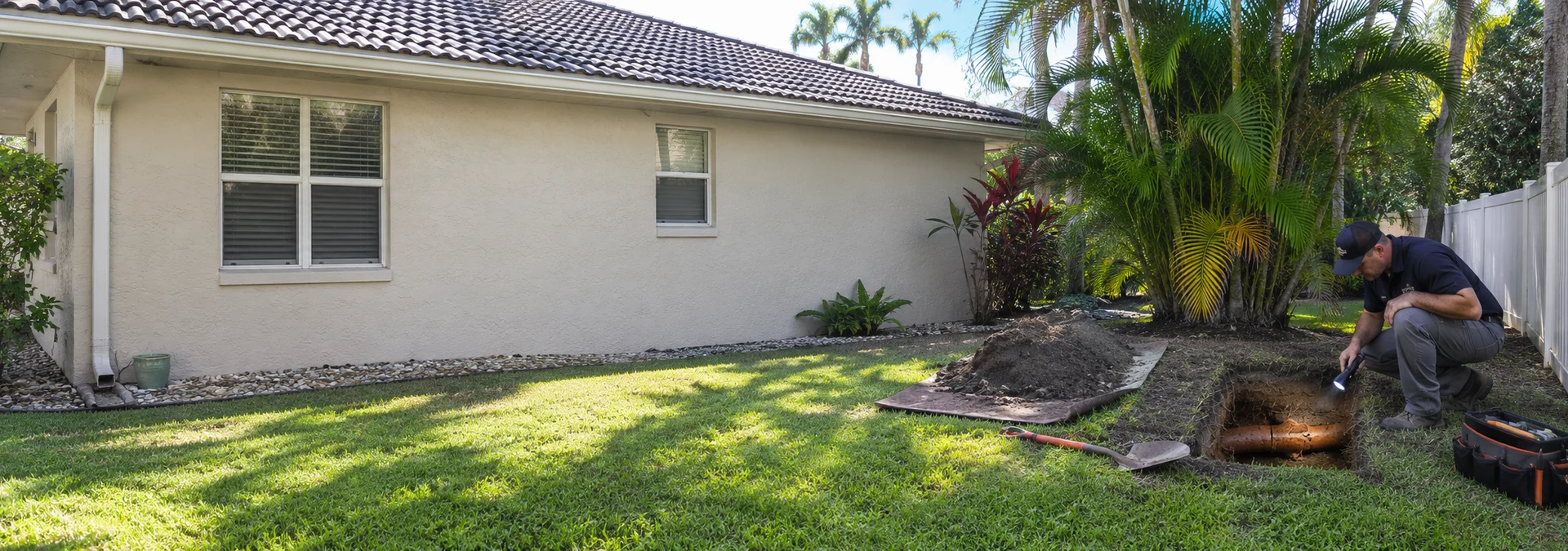
A broken sewer pipe may leak, catch waste, admit tree roots, or eventually stop flow altogether. Camera and location findings can help distinguish a localized crack or separated joint from a collapsed sewer line that requires excavation, lining, or replacement.
Ask for the defect to be shown on the footage and marked on the property. The important distinction is the condition before and after it, not just the age or material of the line.
Have the contractor explain how the proposed method restores flow and handles the specific damage. If the camera stopped short of the rest of the pipe, keep that uncertainty in the written scope.
No. A localized crack or joint problem may suit a spot repair or lining when the remaining pipe is suitable. A collapse, missing section or extensive deterioration may require replacement of the affected length.
A broken, cracked, or collapsed sewer line can restrict flow, leak wastewater into the surrounding soil, or create an opening for tree-root intrusion. Older clay, cast iron, Orangeburg, and other aging pipe materials can fail in different ways, while PVC can also be damaged by settlement, poor installation, or outside forces.
The same symptoms can also come from a removable sewer blockage, so diagnosis matters. A sewer camera and locating equipment can help identify whether the problem is a crack, separated joint, offset, low section, missing pipe, or complete collapse before repair limits are chosen.
Note sewer backups, recurring clogs, sewer gas smells, damp ground, settlement, and which fixtures are affected.
Clear an obstruction when necessary so a sewer video inspection can document the visible pipe condition.
Mark the approximate route, depth, and damaged section before excavation or trenchless work is proposed.
Consider spot repair, CIPP lining, pipe bursting, rerouting, or replacement based on the actual findings.
Corrosion, brittle material, worn joints, or a rough interior can weaken an older private sewer lateral.
Tree roots enter existing openings, while settlement, frost, and shifting soil can separate or offset pipe.
Excavation, heavy loading, improper bedding, or poor grade can crack, crush, or deform a sewer line.
Common signs include repeated main-line clogs, several drains backing up, sewage odor, unusually wet ground, settlement, and camera footage showing a crack, offset, or lost pipe opening.
Sometimes. A localized crack may fit a spot repair, and a structurally suitable route may qualify for CIPP lining. Widespread deterioration, poor grade, or complete collapse can require replacement.
A complete collapse often requires access because a liner needs an open path. Pipe bursting may fit some routes, but alignment, utilities, connections, and access still determine the method.
Responsibility depends on where the defect lies and which utility serves the property. Ask the wastewater provider to confirm the service boundary before work starts.
A clogged sewer line that keeps returning may signal roots, buildup, a belly, or damaged pipe.
Explore →SEWER PROBLEMSeveral fixtures backing up together can point to a main sewer restriction.
Explore →SEWER PROBLEMAn unusually lush or soft strip of lawn may signal underground leakage.
Explore →Targeted repair options for cracked, separated, leaking, or damaged sewer lines.
Explore →SERVICESee the line from the inside and pinpoint roots, cracks, offsets, and sewer blockages.
Explore →SERVICEFull or partial replacement for collapsed, severely deteriorated, or repeatedly failing pipe.
Explore →